
Blog
5 Key Factors to Consider When Buying Carbon Steel Bars
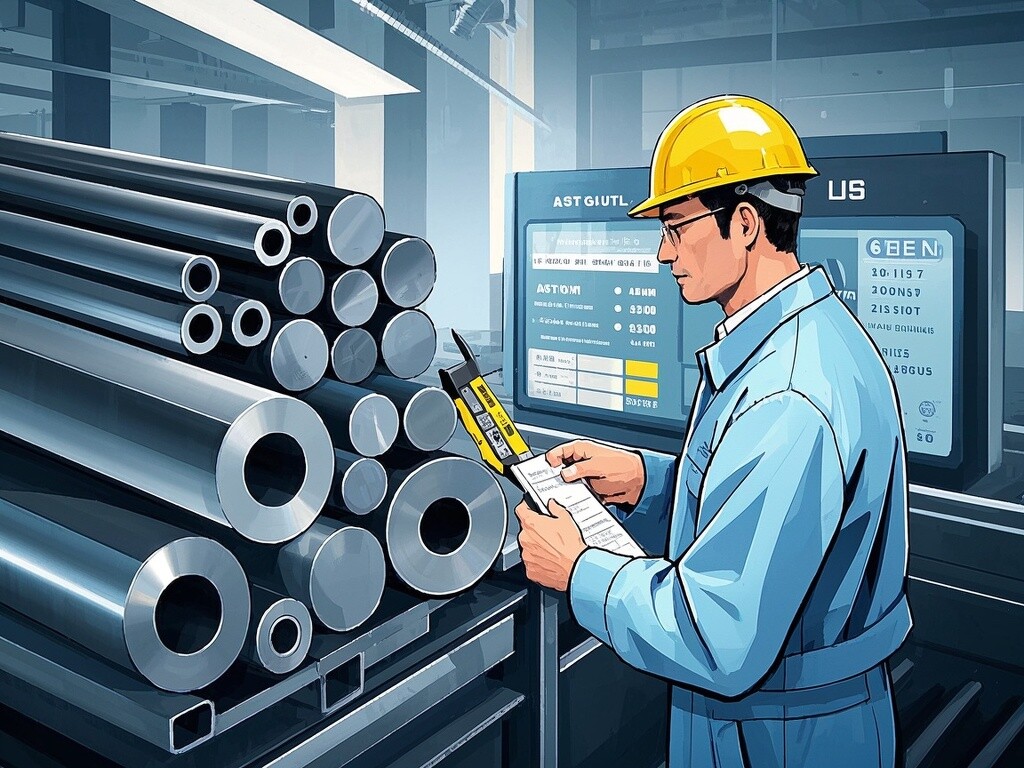
1. Material Grades and Chemical Composition
The first decision point involves understanding ASTM/EN/JIS material grades. Carbon steel bars typically range from low-carbon (0.05%-0.25% C) to high-carbon (0.6%-1.0% C) compositions. ASTM A36 is the most common structural grade, while AISI 1045 offers higher strength for machined components. For corrosive environments, consider weathering steel grades like ASTM A588 with added chromium and copper.
Key alloying elements and their effects:
- Carbon (0.1%-1.0%): Increases hardness and tensile strength but reduces ductility
- Manganese (0.3%-1.65%): Enhances hardenability and hot-rolling properties
- Phosphorus/Sulfur: Typically limited to ≤0.05% for improved weldability
2. Dimensional Tolerances and Surface Finish
Commercial carbon steel bars are available in round, square, hexagonal, and flat configurations with diameter ranges from 5mm to 250mm. Critical dimensional standards include:
3. Mechanical Properties Verification
Always request certified mill test reports (MTRs) documenting:
- Tensile strength (typically 400-850 MPa for carbon steels)
- Yield strength (250-550 MPa range)
- Elongation at break (18%-25% for structural grades)
- Charpy impact test results for low-temperature applications
4. Corrosion Protection Methods
While carbon steel bars lack the corrosion resistance of galvanized steel plates, several protection options exist:
- Hot-dip galvanizing: 50-100μm zinc coating (ASTM A153)
- Epoxy coatings: 150-300μm dry film thickness
- Cathodic protection: For buried or submerged applications
5. Supply Chain and Logistics Factors
Evaluate suppliers based on:
- Mill certifications (ISO 9001, PED 2014/68/EU)
- Cutting/bending capabilities (±2mm accuracy)
- Inventory turnover rates (fresh stock vs. aged material)
- Moisture-proof packaging for overseas shipments
Industry Application Scenarios
In bridge construction, ASTM A706 Grade 60 rebar provides superior weldability. For automotive components, cold-drawn SAE 1018 bars offer consistent machining performance. Food processing plants often specify electropolished 1045 steel for cleanability.
Cost Analysis
Current market prices (Q3 2023) range from $600-$1,200/ton depending on:
- Order quantity (10+ ton discounts available)
- Processing requirements (cut-to-length adds 5-8% cost)
- Regional tariffs and transportation fees
Common Purchasing Mistakes
Avoid these frequent errors:
- Specifying tighter tolerances than actually required
- Overlooking hydrogen embrittlement in high-strength grades
- Failing to account for thermal expansion in dimensional specs
Future Trends
The carbon steel bar market is shifting toward:
- Eco-friendly production methods (electric arc furnaces)
- Smart inventory systems with RFID tracking
- High-strength low-alloy (HSLA) developments
For technical specifications or volume quotations, consult with our metallurgy experts to match your project requirements with optimal carbon steel bars solutions. Our ISO-certified processing facilities maintain ±0.2mm dimensional accuracy across all standard and custom profiles.
Related Posts
- ▶ Carbon Steel Plate vs. Carbon Steel Coil: Which One Fits Your Project Best?
- ▶ 5 Key Factors to Consider When Buying Carbon Steel Bars
- ▶ How to Maintain and Extend the Life of Your Carbon Steel Plates
- ▶ Galvanized Steel Sheets: Benefits and Common Uses Explained
- ▶ Why Carbon Steel Coils Are the Preferred Choice for Industrial Applications?
- ▶ The Future of Carbon Steel Products in the Global Market
Send Us A Message