
Blog
How to Maintain and Extend the Life of Your Carbon Steel Plates
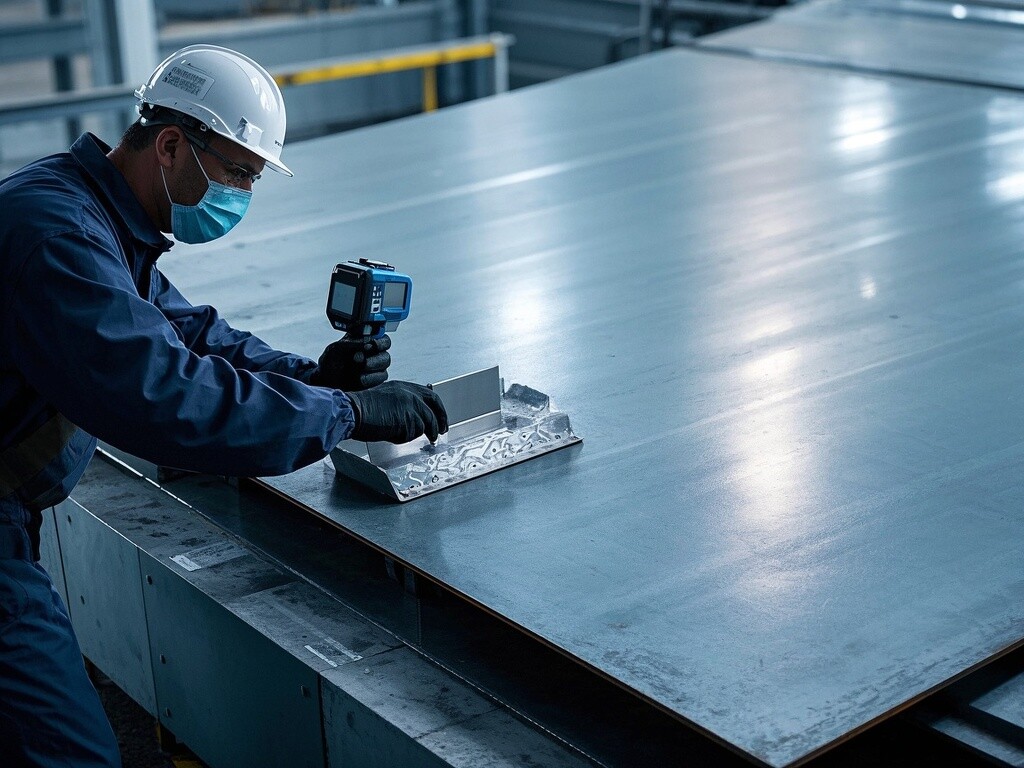
Understanding Carbon Steel Degradation Factors
Carbon steel plates and related products (coils, pipes, rods) primarily fail through three mechanisms: electrochemical corrosion (responsible for 60% of premature failures according to NACE International), mechanical abrasion, and stress cracking. The corrosion process accelerates when carbon steel components are exposed to moisture, chlorides (common in marine environments), or acidic/alkaline contaminants. Galvanized steel plates provide better initial protection through zinc coating, but require different maintenance approaches than untreated carbon steel.
Critical Environmental Threats
- Industrial atmospheres: Sulfur oxides from burning fossil fuels create sulfuric acid when combined with moisture
- Coastal regions: Salt spray can increase corrosion rates by 5-10x compared to inland areas
- Temperature cycling: Repeated expansion/contraction breaks protective oxide layers
- Mechanical wear: Abrasion from particulate matter or equipment contact
Preventive Maintenance Framework
Implementing ISO 12944-compliant protection systems can extend carbon steel plate service life beyond 25 years, even in C4 (high) corrosion environments. The maintenance pyramid prioritizes:
Surface Preparation Standards
SSPC-SP10/NACE No. 2 near-white metal blast cleaning (surface profile 50-100 microns) is mandatory before applying high-performance coatings. For galvanized steel plates, use TT-P-645 primer to ensure coating adhesion. Always verify surface cleanliness using ISO 8501-1 pictorial standards.
Industry-Specific Maintenance Protocols
Structural Applications (Bridges, Buildings)
The American Institute of Steel Construction mandates annual inspections for carbon steel structural components. Critical checklist items include:
- Measuring remaining material thickness with ultrasonic gauges
- Documenting rust creep at welded joints
- Checking coating integrity via holiday detection
- Monitoring galvanic corrosion where carbon steel contacts dissimilar metals
Marine & Offshore Equipment
DNVGL-RP-0416 recommends these enhanced measures for carbon steel plates in saltwater service:
- Zinc-rich primers (minimum 85% Zn in dry film)
- Sacrificial anode replacement every 3-5 years
- Cathodic protection potential maintained at -0.85V to -1.1V vs Cu/CuSO4
- Increased inspection frequency during monsoon seasons
Cost-Benefit Analysis of Maintenance Options
Comparative data from 50 industrial facilities shows:
Common Maintenance Mistakes
Field studies identify these frequent errors in carbon steel plate maintenance:
Improper Coating Application
Applying epoxy coatings below 10°C without proper surface heating leads to delamination within 12-18 months. Always verify ambient conditions meet manufacturer's data sheets.
Neglecting Edge Protection
Cut edges of carbon steel coils and plates corrode 3x faster than rolled surfaces. Use edge-sealing compounds meeting ASTM D1186 standards.
Advanced Protection Technologies
Emerging solutions for critical carbon steel components:
- Graphene-enhanced coatings: 4x better barrier properties than traditional epoxies
- Smart coatings: pH-sensitive microcapsules that release corrosion inhibitors when needed
- Robotic inspection: AI-powered drones detecting sub-surface defects
Why Professional Maintenance Matters
A single corroded carbon steel pipe in a chemical plant caused $2.3 million in downtime losses. Our metallurgical experts provide:
- Material selection consulting per ASTM A36/A572 standards
- Customized maintenance plans for carbon steel plates/coils
- Third-party coating inspection services
Contact our corrosion engineering team for facility-specific recommendations on carbon steel and galvanized steel maintenance strategies.
Related Posts
- ▶ Carbon Steel Plate vs. Carbon Steel Coil: Which One Fits Your Project Best?
- ▶ 5 Key Factors to Consider When Buying Carbon Steel Bars
- ▶ How to Maintain and Extend the Life of Your Carbon Steel Plates
- ▶ Galvanized Steel Sheets: Benefits and Common Uses Explained
- ▶ Why Carbon Steel Coils Are the Preferred Choice for Industrial Applications?
- ▶ The Future of Carbon Steel Products in the Global Market
Send Us A Message