
Blog
The Future of Carbon Steel Products in the Global Market
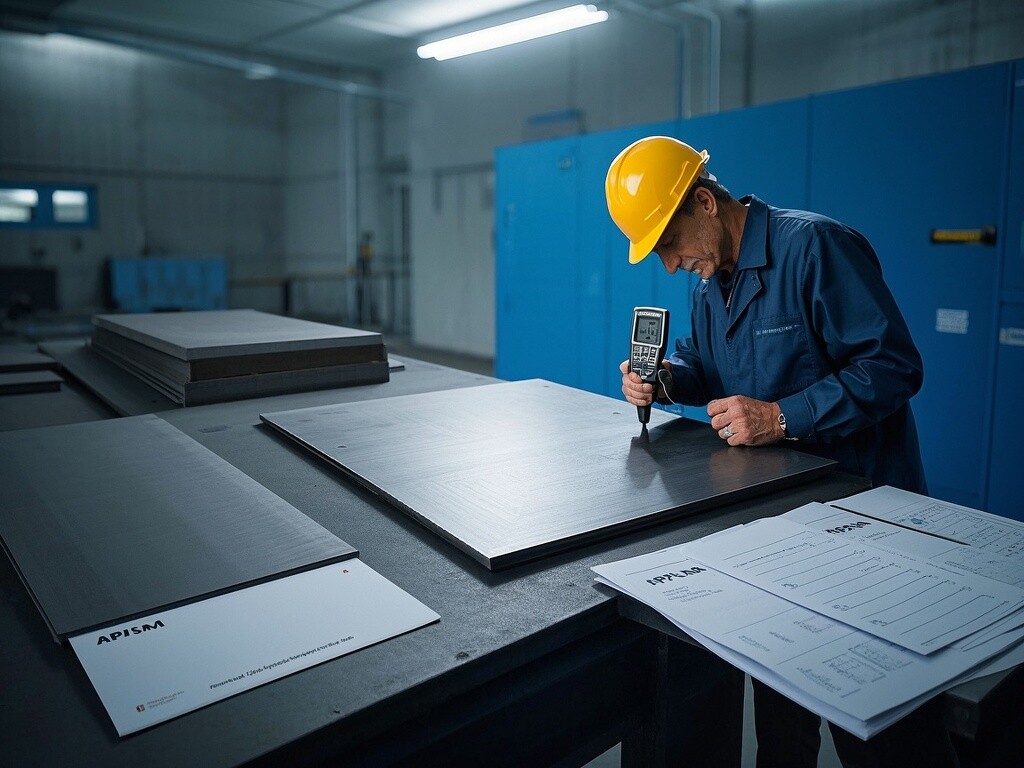
Market Overview of Carbon Steel Products
The global carbon steel market, valued at $1.1 trillion in 2023, is projected to grow at 3.8% CAGR through 2030. Carbon steel plates and coils dominate 42% of structural applications, while pipes account for 28% of oil & gas infrastructure projects. Emerging economies are driving 67% of new demand, particularly for galvanized sheets in construction.
Key Product Categories
Technical Specifications Comparison
Modern carbon steel products adhere to stringent international standards including ASTM A36 for plates, API 5L for pipes, and JIS G3101 for coils. The typical composition ranges from 0.05-1.25% carbon content, with tensile strength varying between 400-550 MPa for structural grades. Recent advancements in micro-alloying have improved the strength-to-weight ratio of carbon steel bars by 15-20% compared to traditional formulations.
Performance Metrics
- Corrosion resistance: Galvanized sheets offer 3-5x longer lifespan than untreated carbon steel
- Weldability: Low-carbon plates (0.15% C) enable superior joint integrity
- Formability: Cold-rolled coils achieve 8-12% elongation rates
Industry Applications Deep Dive
In the construction sector, carbon steel pipes constitute 72% of structural framing systems in high-rise buildings, while galvanized sheets cover 58% of industrial roofing installations. The automotive industry consumes approximately 450kg of carbon steel coils per vehicle, primarily for chassis and body panels. Emerging applications include:
- Renewable energy infrastructure (wind turbine towers)
- 3D-printed carbon steel components
- Modular construction systems
Procurement Considerations
When sourcing carbon steel products, technical evaluators should prioritize:
Emerging Market Trends
The carbon steel industry is witnessing three transformative developments:
1. Sustainable Manufacturing
Electric arc furnace technology now accounts for 42% of carbon steel bar production, reducing CO2 emissions by 58% compared to traditional methods. Major mills are implementing hydrogen-based reduction processes targeting net-zero operations by 2040.
2. Digital Transformation
Blockchain-enabled material traceability systems are being adopted by 37% of leading carbon steel coil producers. Predictive maintenance algorithms have reduced equipment downtime by 22% in pipe manufacturing facilities.
3. Advanced Coatings
Next-generation galvanized sheets now incorporate nano-ceramic layers that extend corrosion protection to 40+ years in marine environments, compared to 15-20 years for conventional zinc coatings.
Cost Analysis and Alternatives
Current market pricing shows carbon steel plates averaging $780-920/ton, while galvanized sheets command a 25-30% premium. When evaluating alternatives:
- Aluminum offers 65% weight reduction but at 3x material cost
- Stainless steel provides superior corrosion resistance but limits weldability
- Fiber-reinforced polymers lack the thermal stability of carbon steel pipes
Future Outlook (2025-2035)
Industry analysts project these key developments for carbon steel products:
- 15-20% growth in high-strength low-alloy (HSLA) carbon steel demand
- Automated quality inspection systems reducing defects by 40%
- Circular economy initiatives boosting recycled content to 50%
Why Choose Quality Carbon Steel Solutions
For technical evaluators and procurement specialists, selecting the right carbon steel products requires balancing performance requirements with total cost of ownership. Our metallurgical expertise ensures you receive materials that meet exacting specifications while optimizing your operational efficiency.
Related Posts
- ▶ Carbon Steel Plate vs. Carbon Steel Coil: Which One Fits Your Project Best?
- ▶ 5 Key Factors to Consider When Buying Carbon Steel Bars
- ▶ How to Maintain and Extend the Life of Your Carbon Steel Plates
- ▶ Galvanized Steel Sheets: Benefits and Common Uses Explained
- ▶ Why Carbon Steel Coils Are the Preferred Choice for Industrial Applications?
- ▶ The Future of Carbon Steel Products in the Global Market
Send Us A Message